
Dubai Land Residence Complex (DLRC)
Dubai Land Residence Complex (DLRC): Future Development, Infrastructure Growth and Property Investment Potential
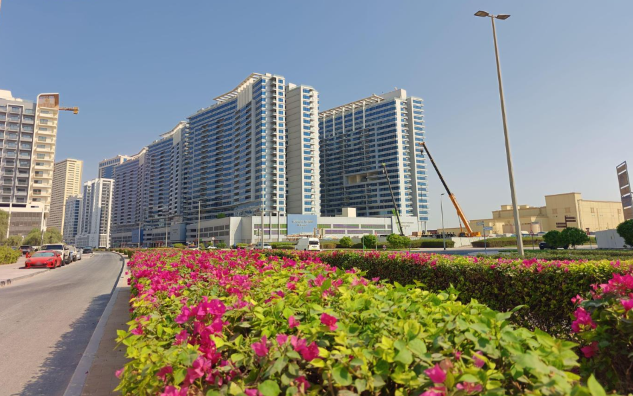
Dubai Land Residence Complex (DLRC), located within the wider Dubailand district, is becoming an increasingly established residential destination for people looking for affordable apartments, convenient road connectivity and access to Dubai’s growing residential and commercial hubs.
Spread across approximately 14 million square feet, DLRC has developed from an emerging residential location into a mixed-use community with apartment buildings, retail facilities, recreational spaces and everyday amenities.
With Dubai continuing to invest in its long-term urban development, road infrastructure and residential communities, DLRC offers an interesting opportunity for homebuyers and property investors looking beyond the city’s traditional high-priced locations.
But what makes Dubai Land Residence Complex worth considering? How does it align with Dubai’s development plans, and what could influence its property market in the coming years?
Let’s explore.
1. Dubai Land Residence Complex: A Growing Residential Community
Dubai Land Residence Complex, commonly known as DLRC, is a mixed-use residential community situated in Dubailand.
Unlike areas dominated by high-rise towers, DLRC features clusters of low- and mid-rise residential buildings, creating a neighbourhood with a variety of apartment options.
According to Dubai Holding Community Management’s published community information, DLRC has approximately:
- 14 million sq. ft. of community area.
- 49 residential buildings.
- 21,200 residents.
- 38 recreational amenities.
The community offers access to parks, children’s play areas, outdoor gyms, sports courts, basketball courts, tennis courts, clinics, schools and other everyday facilities.
Its residential environment is supported by a growing selection of apartment developments, including established communities such as Skycourts and newer projects such as Samana Park Meadows, Weybridge Gardens, Peace Lagoons and The Cove editions.
This combination of completed properties and new residential developments continues to expand the housing choices available within DLRC.
2. Dubai 2040 Urban Master Plan: How Does DLRC Fit Into Dubai’s Future?
Dubai’s long-term development strategy is guided by the Dubai 2040 Urban Master Plan, launched in 2021.
The plan focuses on improving the quality of life across the emirate through better urban planning, sustainable infrastructure, accessible facilities and well-connected residential communities.
Its major objectives include:
- Developing vibrant and healthy residential communities.
- Improving the efficiency of existing infrastructure.
- Increasing parks and recreational spaces.
- Improving accessibility through sustainable transportation.
- Supporting economic growth and employment opportunities.
- Enhancing environmental quality and sustainability.
The plan also aims to double the size of green and recreational spaces across Dubai and establish green corridors connecting residential areas, workplaces and service destinations.
DLRC’s position within Dubailand and its growing residential and recreational infrastructure make these wider urban priorities relevant when evaluating the community’s long-term outlook.
Important: Dubai 2040 is an emirate-wide development framework, not a specific government-approved redevelopment or investment programme exclusively for DLRC.
3. Road Infrastructure: A Major Advantage for DLRC
One of DLRC’s established advantages is its location alongside two important road corridors:
- Dubai–Al Ain Road (E66)
- Emirates Road (E611)
These highways provide access to several residential, commercial, educational and leisure destinations across Dubai.
As the surrounding areas continue to develop, road connectivity remains an important consideration for people living and working in DLRC.
Dubai–Al Ain Road Improvement Project
The Roads and Transport Authority has outlined a major improvement programme for Dubai–Al Ain Road.
The project includes:
- Widening the road from three to six lanes in each direction.
- Constructing approximately 17 km of service roads on both sides.
- Developing six free-flow intersections with bridges.
The stated project benefits include reducing travel time along the improved 17 km stretch from 16 minutes to approximately eight minutes and increasing road capacity from 6,000 to 12,000 vehicles per hour.
These improvements are part of Dubai’s wider efforts to support population growth and improve road-network efficiency.
For DLRC residents, the wider road improvements are relevant because the community depends heavily on private vehicle connectivity.
4. Dubai’s New Fourth Corridor: Strengthening Regional Connectivity
Another important infrastructure announcement came in September 2026, when Dubai approved the New Fourth Corridor project.
The proposed corridor will extend approximately 80 km, connecting Al Shanouf Road in Sharjah to Al Faya Road in Abu Dhabi through two implementation phases.
The first phase will connect Al Shanouf Road to Dubai–Al Ain Road, with an announced investment of approximately AED 3.5 billion.
The project includes bridges, tunnels and major road improvements designed to increase capacity and reduce journey times.
For DLRC, the significance is its wider relationship with Dubai–Al Ain Road, which forms one of the community’s principal access corridors.
Although this is not a dedicated DLRC infrastructure project, improvements to the wider highway network can support movement between surrounding residential and economic areas.
5. Metro Connectivity: What Residents Should Know
Public transportation is an important consideration for residential communities across Dubai.
DLRC currently relies largely on road transportation and bus connections, with residents typically using nearby metro stations through onward road or bus journeys.
The Dubai Metro Blue Line is an important upcoming transport development for neighbouring parts of the emirate. However, it is important to distinguish between the communities it directly serves and those that may benefit indirectly from wider transport-network improvements.
The Blue Line is a 30 km route with 14 stations, connecting areas including Dubai Creek Harbour, International City, Dubai Silicon Oasis and Academic City.
The project is scheduled to open in 2029.
Does the Blue Line have a station in DLRC?
No. Dubai Land Residence Complex is not listed as a direct Blue Line station location in the published route.
Therefore, investors considering DLRC should assess its actual road and public-bus connectivity rather than assuming direct metro access.
Future transport developments across Dubai may improve connectivity between districts, but a direct metro connection to DLRC should not be assumed without an official announcement.
6. Why Is DLRC Attracting Property Investors?
DLRC is increasingly being considered by buyers looking for residential properties at comparatively accessible entry prices within Dubai.
Several factors contribute to its investment appeal.
1. More Accessible Property Entry Prices
Compared with several established central Dubai communities, DLRC offers a range of apartment options at different price points.
This allows first-time buyers and investors to explore the Dubai property market without necessarily entering at the price levels associated with more established premium locations.
2. Growing Residential Population
With approximately 21,200 residents reported in the community profile, DLRC already has an established residential population.
The continued delivery of residential projects may introduce additional housing options and support the development of local retail and lifestyle facilities.
3. Multiple Tenant Segments
DLRC’s apartment inventory caters to different residential requirements.
Potential tenant groups include:
- Young professionals working across Dubailand and surrounding business districts.
- Small families looking for practical apartment layouts.
- Students and education professionals travelling to Academic City.
- Residents seeking access to Dubai’s wider road network.
Studios and one-bedroom apartments may appeal to smaller households, while two- and three-bedroom layouts offer options for families.
Actual rental demand will depend on pricing, building quality, location, occupancy and competing supply.
4. Established and Upcoming Residential Developments
DLRC has a mixture of completed buildings and new residential projects.
This gives buyers different options depending on whether they prefer an existing property with immediate occupancy potential or an under-construction development with a staged payment plan.
Investors should compare developer track records, construction progress, service charges, handover timelines and resale conditions before making a purchase.
5. Long-Term Infrastructure Development
Dubai’s ongoing road-network improvements and long-term urban planning provide a broader development context for DLRC.
Although these projects do not guarantee property appreciation, improved regional connectivity and population growth can be relevant factors when evaluating the long-term residential appeal of an area.
7. DLRC vs Other Affordable Residential Communities in Dubai
Property investors often compare DLRC with nearby and alternative residential locations such as Dubai Silicon Oasis, International City and Arjan.
Each community has a different residential profile.
DLRC: Offers a growing selection of apartments, established recreational facilities and convenient access to E66 and E611.
Dubai Silicon Oasis: An established mixed-use community with a stronger technology and business ecosystem, educational facilities and an upcoming Metro Blue Line connection.
International City: Known for comparatively accessible apartment prices and established residential clusters.
Arjan: Offers a growing apartment market with access to major road networks and nearby lifestyle destinations.
The right choice depends on the buyer’s budget, preferred property type, rental objectives, service charges and connectivity requirements.
8. What Should Investors Check Before Buying in DLRC?
While the community has several attractive characteristics, selecting the right property is more important than simply choosing the area.
Before investing, consider:
- Purchase price compared with similar units in the same building.
- Current rental rates and actual achieved rents.
- Annual service charges.
- Building maintenance and management quality.
- Developer reputation and project delivery history.
- Construction progress and expected handover dates.
- Available payment plans and associated conditions.
- Distance to supermarkets, schools, parks and public transport.
- Current supply of similar apartments in the surrounding area.
For off-plan investments, buyers should also review the SPA, escrow arrangements, payment milestones and the developer’s delivery record.
Final Thoughts: Is Dubai Land Residence Complex Worth Watching?
Dubai Land Residence Complex is developing into an established residential destination within Dubailand, supported by a growing apartment market, community amenities and access to important road corridors.
Its location along Dubai–Al Ain Road and Emirates Road, combined with Dubai’s wider infrastructure and urban development initiatives, makes it an area worth monitoring.
The community’s investment proposition is based on a combination of accessible property entry prices, established residential demand, growing housing choices and wider infrastructure development.
For investors seeking apartments in Dubai, DLRC deserves consideration alongside other emerging and established residential communities.
As always, the right investment decision should be based on the individual property’s price, rental potential, service charges, construction quality and long-term suitability rather than development announcements alone.